
Pine Oil as a Natural Expectorant for Coughs and Colds
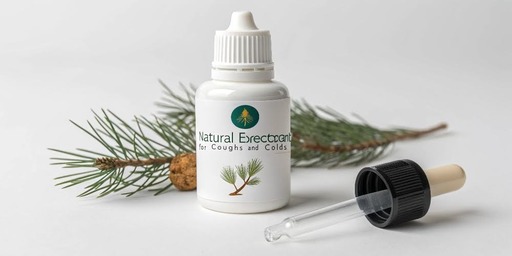
Coughs and colds are common ailments that disrupt daily life, causing discomfort and irritation. While over-the-counter (OTC) medications like cough suppressants and decongestants are widely used, many people are turning to natural remedies for relief. Among these, pine oil stands out as a powerful natural expectorant for alleviating cough symptoms, sore throats, and respiratory conditions. Derived from pine tree needles, this essential oil offers a strong woody scent and therapeutic properties that make it a go-to remedy for the common cold and associated upper respiratory symptoms. In this blog, we’ll explore how pine oil works, its benefits, how to use it, and its price in today’s market.
What Is Pine Oil and How Does It Work?
Pine oil is an essential oil extracted from the needles of pine trees through steam distillation. Its strong aroma and antimicrobial properties have made it a staple in aromatherapy and natural cough remedies. As an expectorant, pine oil helps loosen mucus in the respiratory tract, making it easier to expel through coughing. This is particularly beneficial for productive coughs, where mucus buildup causes discomfort.
Unlike cough suppressants like dextromethorphan, which reduce the urge to cough, pine oil promotes respiratory relief by clearing airways. Its nice scent also creates a soothing environment, helping to ease shortness of breath and stuffy noses. Additionally, pine oil contains compounds that may combat respiratory tract pathogens, offering a natural defense against infections like short–term bronchitis.
Benefits of Pine Oil for Coughs and Colds
Pine oil’s therapeutic properties make it a versatile remedy for coughs and colds. Here are some key benefits:
- Clears Mucus: Acts as a natural expectorant, helping to thin mucus** and relieve chest congestion.
- Soothes Sore Throats: The aroma of pine oil can calm sore throats when used in oil–infused steam or gargles.
- Improves Breathing: Its scent opens nasal passages, reducing stuffy noses and easing breathing difficulties.
- Antimicrobial Action: Helps fight bacteria and viruses associated with the common cold and bronchitis.
- Aromatherapy Benefits: The fresh pine scent promotes relaxation, reducing stress caused by persistent coughing.
Comparison with Other Essential Oils
Pine oil is often compared to other essential oils like eucalyptus oil, peppermint oil, and tea tree oil, which also offer respiratory relief. Here’s a chart comparing their properties:
Essential Oil | Primary Benefit | Scent | Best Use | Price Range (INR) |
Pine Oil | Expectorant, clears mucus | Woody, fresh | Steam inhalation, diffuser | ₹415 – ₹830 |
Eucalyptus Oil | Decongestant, opens airways | Sharp, minty | Chest rub, inhalants | ₹500 – ₹1,000 |
Peppermint Oil | Cooling, soothes sore throats | Minty, refreshing | Diffuser, topical (diluted) | ₹580 – ₹1,245 |
Tea Tree Oil | Antimicrobial, fights infections | Medicinal, earthy | Topical (diluted), diffuser | ₹665 – ₹1,660 |
Lavender Oil | Calming, reduces irritation | Floral, sweet | Diffuser, bath | ₹830 – ₹2,075 |
How to Use Pine Oil for Coughs and Colds
Pine oil can be used in various ways to relieve cough symptoms and cold symptoms. Always dilute it with a carrier oil like coconut oil or vegetable carrier oil to avoid skin irritation, especially for topical applications. Here are some effective methods:
1. Steam Inhalation
- Add 3–5 drops of pine oil to a bowl of hot water.
- Lean over the bowl, cover your head with a towel, and inhale the oil–infused steam for 5–10 minutes.
- This method helps loosen mucus and soothe sore throats.
2. Aromatherapy with a Diffuser
- Use an essential oil diffuser to disperse pine oil into the air.
- Add 5–10 drops to the diffuser and run it for 30–60 minutes.
- The pine scent creates a safe room scent, easing breathing difficulties and promoting relaxation.
3. Topical Application
- Mix 2–3 drops of pine oil with a teaspoon of carrier oil.
- Apply to the chest or throat to relieve chest congestion and sore throats.
- Avoid applying undiluted pine oil to prevent dryness or irritation.
4. Warm Bath
- Add 5–10 drops of pine oil to a warm bath mixed with a carrier oil.
- Soak for 15–20 minutes to inhale the aroma and relax.
- This is ideal for relieving cold symptoms and muscle aches.
Safety Precautions
- Do not ingest pine oil, as it can be toxic.
- Perform a patch test before topical use to check for allergies.
- Consult a doctor if you have a serious cough, shortness of breath, or chronic respiratory conditions.
- Avoid using pine oil on children under 6 without medical advice.
Pine Oil vs. Other Natural Remedies
While pine oil is highly effective, other natural cough remedies can complement its use. For example:
- Eucalyptus Oil: Often found in OTC inhalants, it’s a powerful decongestant.
- Herbal Teas: Warm tea with herbs like chamomile or ginger soothes sore throats.
- Saltwater Gargles: A simple remedy to reduce throat irritation.
- Fresh Pineapple Juice: Contains enzymes that may ease coughing and sore throats.
Pine Oil in Traditional and Modern Medicine
Historically, pine trees and their extracts have been used in folk medicine to treat respiratory ailments. Today, pine oil is incorporated into essential oil products, cough drops, and room scents. Some pharmacies even use eucalyptus and pine oil in their OTC cough remedies due to their proven efficacy.
Modern research supports pine oil’s antimicrobial and anti-inflammatory properties, which help combat respiratory tract pathogens and reduce inflammation in the throat and lungs. While not a cure for the common cold, pine oil can significantly alleviate cold symptoms and improve comfort.
Pine Oil Availability and Market Trends
The pine oil price is a key consideration for those exploring natural remedies. On average, a 10ml bottle of pure pine oil costs $5–$10, while larger quantities (30ml) range from $12–$20. Prices depend on factors like:
- Brand: Reputable brands with organic certifications may charge more.
- Purity: 100% pure pine oil is pricier than diluted blends.
- Sourcing: Oils from sustainable pine trees may have a premium.
Complementary Essential Oils for Coughs and Colds
Other essential oils can enhance pine oil’s effects when used together. Here are some options:
- Bergamot Oil: Relieves stress and has a calming scent.
- Rosemary Oil: Supports respiratory relief and boosts immunity.
- Cinnamon Oil: Adds a warm scent and antimicrobial properties.
- Geranium Oil: Soothes sore throats and reduces inflammation.
When to Seek Medical Attention
While pine oil is effective for mild coughs and colds, persistent symptoms may require medical attention. Consult a doctor if you experience:
- A serious cough lasting more than two weeks.
- Shortness of breath or wheezing.
- High fever or severe sore throat.
- Symptoms of bronchitis or other respiratory conditions.
Pine oil is a powerful natural expectorant that offers respiratory relief for coughs and colds. Its strong woody scent, antimicrobial properties, and ability to clear mucus make it an excellent addition to your natural cough remedies toolkit. Whether used in steam inhalation, a diffuser, or a warm bath, pine oil can soothe sore throats, ease stuffy noses, and improve breathing. With an affordable pine oil price, it’s an accessible option for those seeking essential oil solutions. Combine it with other oils like eucalyptus or bergamot for enhanced effects, and always use it safely to maximize benefits. Embrace the power of pine oil and breathe easier this cold season!